
 English
 русский
 Español
 中文简体
中文简体Control panels are full of wires. Relays. Contactors. Timers. Terminal blocks. Without organization, it is a mess. A relay (transformer) wiring harness brings order to the chaos. It bundles the wires together. It routes them to the right places. It makes assembly faster and troubleshooting easier.
What a Relay Wiring Harness Does
It connects relays, transformers, and other control components
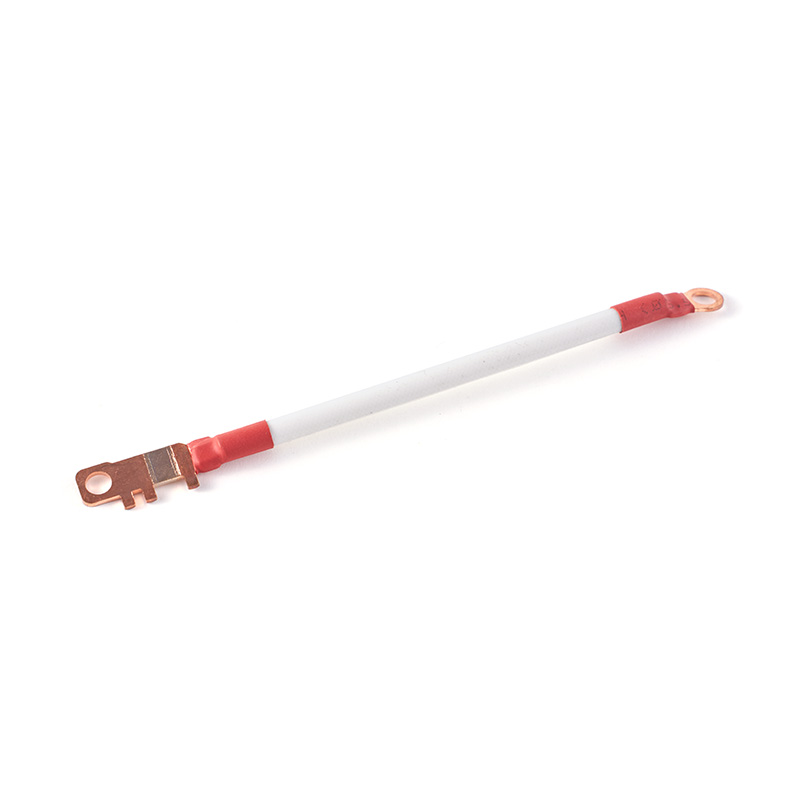
A relay wiring harness is a pre-assembled bundle of wires. One end connects to the relay sockets. The other end connects to terminal blocks, power supplies, or other devices. The harness is built to a specific wiring diagram. Everything is labeled. Everything is cut to length.
The harness saves time. The panel builder grabs the harness. They plug in the connectors. They secure the wires. The panel is wired. No guessing. No tracing wires.
It reduces wiring errors
When you wire a panel one wire at a time, mistakes happen. A wire goes to the wrong terminal. A connection is loose. A relay wiring harness eliminates most of those errors. The wires are pre-terminated. The colors are consistent. The labels are clear.
What Goes into a Relay Wiring Harness
The wires
Each wire is a specific color and gauge. A relay wiring harness uses the right wire for each circuit. Control circuits use smaller gauge wires. Power circuits use larger gauge wires. The insulation is rated for the panel environment.
The terminals
The wire ends are terminated with connectors. Spade terminals. Ring terminals. Pin terminals. The terminals match the relay sockets and terminal blocks. A relay wiring harness has the right terminal for each connection.
The labeling
Every wire is labeled. The label tells you where it goes. Relay 1 coil. Relay 1 contact. Power supply positive. The label is clear. It stays on. It does not fade.
Here is what a typical relay harness includes:
- Wires cut to length, stripped, and terminated
- Terminals matched to the components
- Labels on each wire
- Bundling to keep the wires organized
Where Relay Wiring Harnesses Get Used
Control panels
Every control panel has relays. A relay wiring harness connects the relays to the rest of the system. The harness organizes the wiring. The panel looks clean. The panel works reliably.
Machine wiring
Machines have relays in the control cabinet. The harness connects the relays to the sensors and actuators. The harness routes the wires through the cabinet. It keeps them away from moving parts.
Power distribution
Transformers feed power to relays and other devices. A relay wiring harness connects the transformer to the relays. The harness handles the voltage and current.
What to Look for in a Relay Wiring Harness
The wire gauge
The wire must carry the current without overheating. A relay wiring harness uses the right gauge for each circuit. Control circuits are often 18 AWG. Power circuits may be 16 or 14 AWG.
The terminal quality
The terminals must crimp securely. A bad crimp creates resistance. Resistance creates heat. A relay wiring harness with good terminals lasts for years.
The labeling
Labels are critical. A relay wiring harness without labels is just a bundle of wires. The technician cannot trace them. The panel is hard to troubleshoot.
The bundling
The wires are bundled together. Ty-wraps, spiral wrap, or nylon sleeving. A relay wiring harness with good bundling stays organized. It does not become a rat's nest.
Here is what makes a good harness:
- Correct wire gauge for each circuit
- Secure terminal crimps
- Clear permanent labels
- Neat bundling
Why Quality Matters
A bad harness causes problems
A wrong connection. A loose terminal. A broken wire. The panel does not work. The trouble-shooter spends hours tracing the problem. A relay wiring harness built to the print avoids these issues.
A good harness saves time
The panel builder installs the harness quickly. The connections are correct. The panel passes testing. A relay wiring harness designed for assembly speeds up production.
A good harness lasts
The wires do not break. The terminals do not corrode. The labels do not fade. A relay wiring harness built with quality materials lasts for the life of the panel.
A relay wiring harness is a small part of a control panel. But it makes a big difference. It organizes the wiring. It speeds up assembly. It reduces errors. It makes troubleshooting easier. Choose a harness built with the right wire, the right terminals, and clear labels. Your panels will work better. Your customers will be happier. That is the point of a wiring harness. To make control panels reliable.