
 English
 русский
 Español
 中文简体
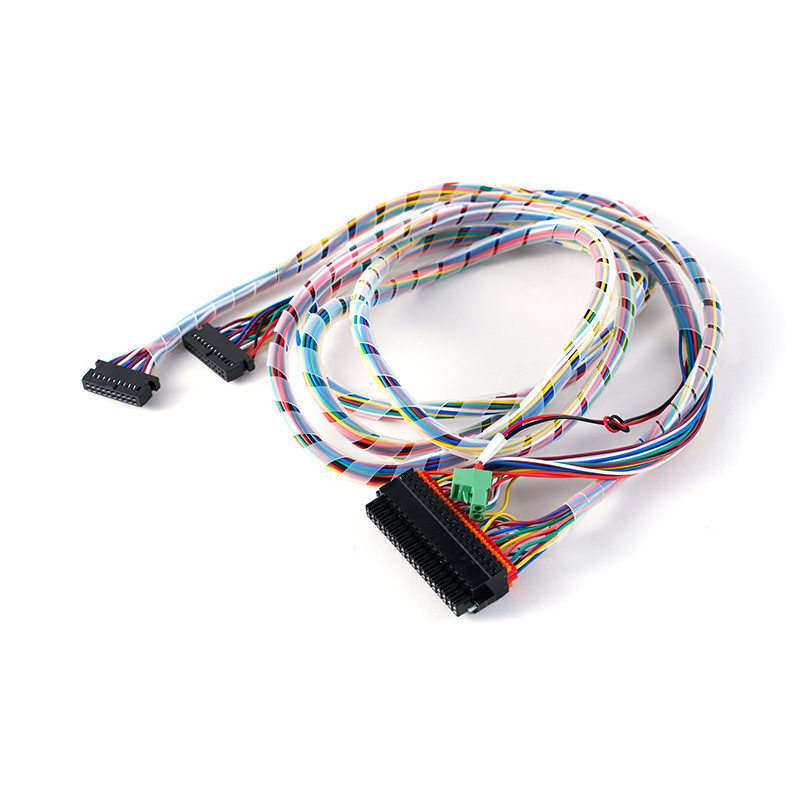
Walk into an appliance assembly plant and you will see workers plugging harnesses into washing machines and refrigerators. The harness bundles power, signal, and control wires into one assembly. The worker connects it and moves on. No cutting, stripping, or crimping on the line. A household equipment wiring harness factory builds the harness to the appliance drawing so the assembly line keeps moving.
The Harness Connects Appliance Components
Keyed connectors prevent wiring errors on the assembly line
A washing machine has a motor, valves, a door lock, a pump, and a board. The harness ties them together. Color-coded wires and keyed connectors mean the plugs only go in one way. The connectors are keyed by position, so the motor plug cannot be inserted into the valve socket. Nobody has to trace a wire or guess where it goes. This prevents wiring errors that would damage the control board or the motor.
Wire lengths are cut to the appliance drawing
Length matters. Too long and the wire rubs against moving parts. Too short and it won't reach. The factory cuts each wire to the appliance drawing. Branch points land where the components sit. The harness is bundled with cable ties or sleeving so the wires stay together during installation. The bundling also protects the wires from abrasion against metal edges inside the appliance.
Common specs:
- Wire gauges: 14 AWG to 22 AWG
- Insulation: PVC, XLPE, silicone
- Terminals: spade, ring, pin, quick-disconnect
- Connectors: Molex, JST, TE, custom molded
- Bundling: cable ties, spiral wrap, nylon sleeving
- Labels: heat-shrink, adhesive tags, printed markers
- Testing: continuity, hipot, insulation resistance
Appliance Manufacturers and Aftermarket Repair Drive Demand
Production lines need harnesses that plug in fast
The assembler connects the harness and moves on. Line speed stays up. A harness that does not fit slows the line and creates rework.
Contract assemblers need harnesses that match each brand
Contract assemblers build for several brands. The harness has to match each design. The factory works from the drawing. No modification on the line. Each brand gets its own harness part number and connector configuration.
Repair technicians need replacement harnesses that match the original
Repair techs replace damaged harnesses. The replacement has to match the original. Same connectors, same wire colors. The tech installs it without hacking the appliance. The replacement harness carries the same part number as the original, so the tech does not have to compare wire by wire.
Buyers Focus on Wire Gauge, Crimp Quality, and Testing
Wire gauge is set by the circuit current
Power circuits get heavier wire. Control circuits get lighter wire. Undersized wire overheats. The factory selects the gauge based on the circuit load and the ambient temperature inside the appliance.
Crimp quality determines whether the connection lasts
A bad crimp heats up and fails. The factory pull-tests the crimps and checks them visually. The pull-test value is recorded for each production batch.
Every harness is tested before shipment
Continuity, hipot, insulation resistance. Open circuits, shorts, insulation faults get caught before shipping. The harness is also checked against the routing drawing.
Household Equipment Wiring Harness Factories Support Reliability
Pre-assembled harnesses install faster than loose wires
Plug in, done. The assembler does not need to strip wire, crimp terminals, or check continuity on the line. Color-coded wires and keyed connectors stop mistakes. The appliance works on the first try.
Clear labels and accessible connectors make repairs faster
The tech traces the circuit and swaps the part. The label identifies the circuit even after years of use, so the tech does not have to consult the wiring diagram for every repair.
The factory supports appliance design changes
When an appliance model is updated, the harness changes with it. A household equipment wiring harness factory builds a new harness to the revised drawing. The factory keeps the old harness available for aftermarket repair, so appliances already in service can still be repaired.