
 English
 русский
 Español
 中文简体
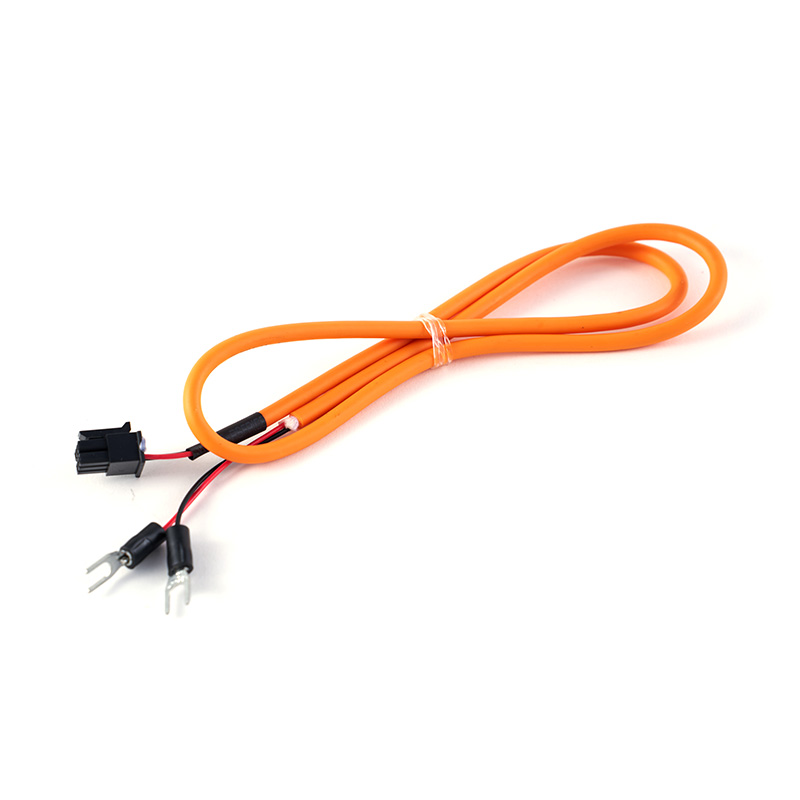
中文简体You open up a washing machine or a fridge and there's a mess of wires in there. Motors, sensors, control boards, heating elements. Without something organizing all that, assembly would be a disaster. A household appliances wiring harness bundles everything together. Wires cut to length. Terminals crimped on. Labels stuck on so you know what goes where. Assembly workers don't have to think about it—just plug and go.
What These Harnesses Actually Do
They hook everything up
Every component in an appliance needs power. Some need signals too. A household appliances wiring harness connects the control board to the motor, the door switch, the water valve, the pump. One bundle instead of a pile of loose wires.
They speed up assembly
Without a harness, someone has to grab individual wires, strip them, crimp terminals, route them, plug them in. Takes forever. A household appliances wiring harness comes ready. Plug it in. Move on. The difference is minutes versus seconds per appliance.
Why Bother with a Harness at All
Easier to fix
Something breaks, service tech has to figure out what's wrong. A household appliances wiring harness makes that easier. Wires are grouped by what they do. Color codes match the schematic. Labels tell you where each wire goes. You don't have to trace through the whole machine.
Handles the current
Different circuits need different wire sizes. A household appliances wiring harness uses thicker wire for heating elements and motors. Thinner wire for controls. Insulation rated for the temperature inside the appliance. Get any of that wrong and things overheat. Good harnesses get it right.
What's in a Harness
Wires
18 or 20 AWG for controls. 14 or 16 AWG for power. Insulation is PVC many of the time. Sometimes silicone for high heat. A household appliances wiring harness isn't the same from one appliance to the next. Ovens need heat-rated wire. Fridges don't.
Terminals
Crimped on the ends. Spades, rings, pins. Each one matches the component it connects to. A household appliances wiring harness has the right terminal on the right wire. Not mismatched. Not loose.
Connector blocks
Plastic housings that hold a bunch of terminals together. Plugs into the control board. Plugs into the motor. A household appliances wiring harness uses connectors that only go in one way. No backwards. No wrong slot.
Labels
Marked wires. Printed on the insulation or heat-shrink tags. A household appliances wiring harness with labels means less time on the line. Less time in the repair shop. Worth the extra cost.
What you typically see:
- Wire gauges: 14 to 22 AWG
- Insulation: PVC, XLPE, silicone
- Terminals: spade, ring, pin, quick-disconnect
- Connectors: Molex, JST, TE, custom
- Bundling: ties, tape, spiral wrap
- Labels: printed, heat-shrink, tags
Where You Find These Harnesses
Washing machines
Motor, pump, heater, water valves, door lock, control board. All connected by one harness. Runs from the board to every corner of the machine. Clipped down so nothing moves.
Dishwashers
Water valve, pump, heater, dispenser, control board, door latch. Harness routes everything. Slips into place during assembly.
Ovens
Heating elements, thermostat, fan, light, touch panel. Heat is the issue. A household appliances wiring harness here uses high-temp insulation. Silicone or fiberglass. PVC won't cut it.
What to Check from a Supplier
Wire sizing
Must be right for the circuit. A household appliances wiring harness supplier should spec the correct gauge. Heating element gets larger wire. Control circuit gets smaller. If they mix it up, you get overheating.
Crimp quality
Bad crimps make heat. Heat causes failures. A good supplier uses correct tooling and checks pull-off strength. Every terminal should be consistent.
Routing
Harness has to fit inside the appliance. Branches at the right spots. Lengths exact. Too short and it doesn't reach. Too long and it's in the way. A good supplier builds to a drawing.
Testing
Every harness should be tested. Continuity. Shorts. Correct connections. A household appliances wiring harness supplier that runs tests catches problems before they leave the factory.
Labels
Clear, permanent labels. A household appliances wiring harness with labels saves time on assembly and service. Suppliers should use labels that stay on—heat-shrink or durable tags.
Appliances are built fast. Without harnesses, the line would slow down and quality would suffer. A household appliances wiring harness keeps things organized, speeds up production, and makes service work easier.