 English
 русский
 Español
 中文简体
中文简体If you need any help, please feel free to contact us
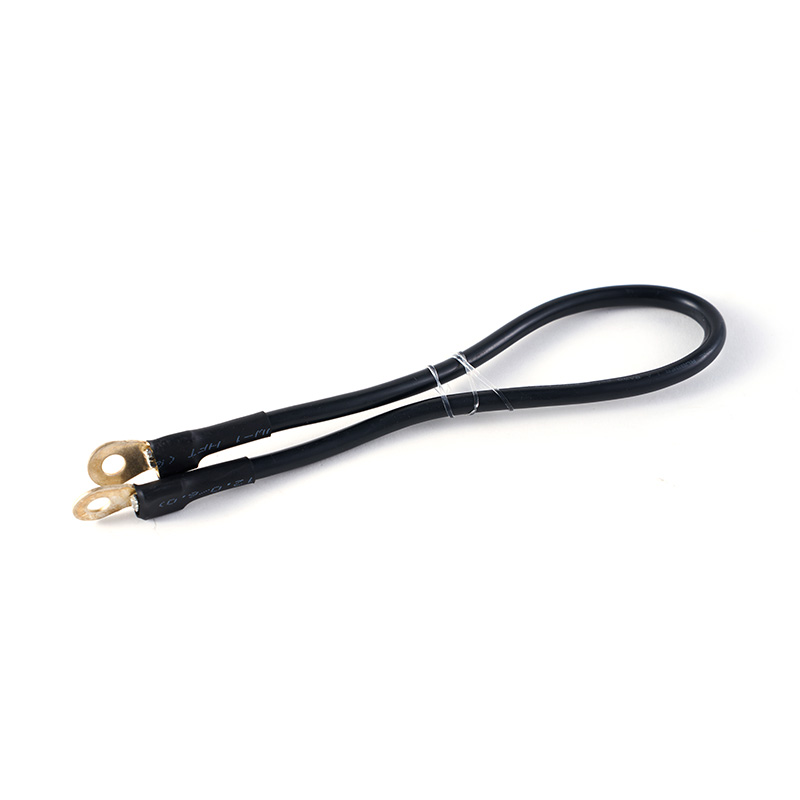
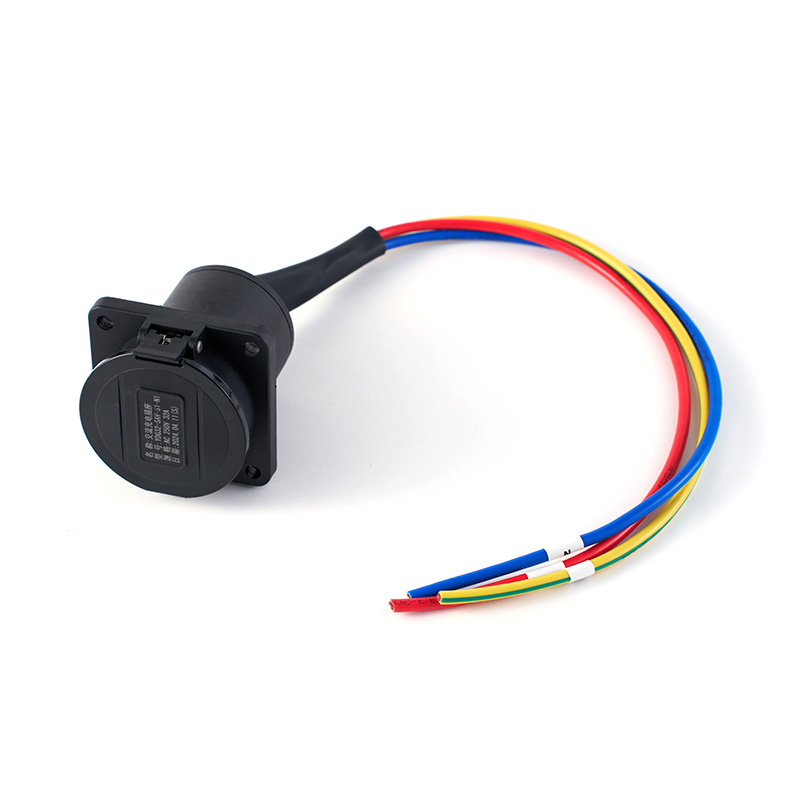
In modern manufacturing, producing consistent, durable, and precise metal parts is essential. Hardw...
READ MORE
Free Quote

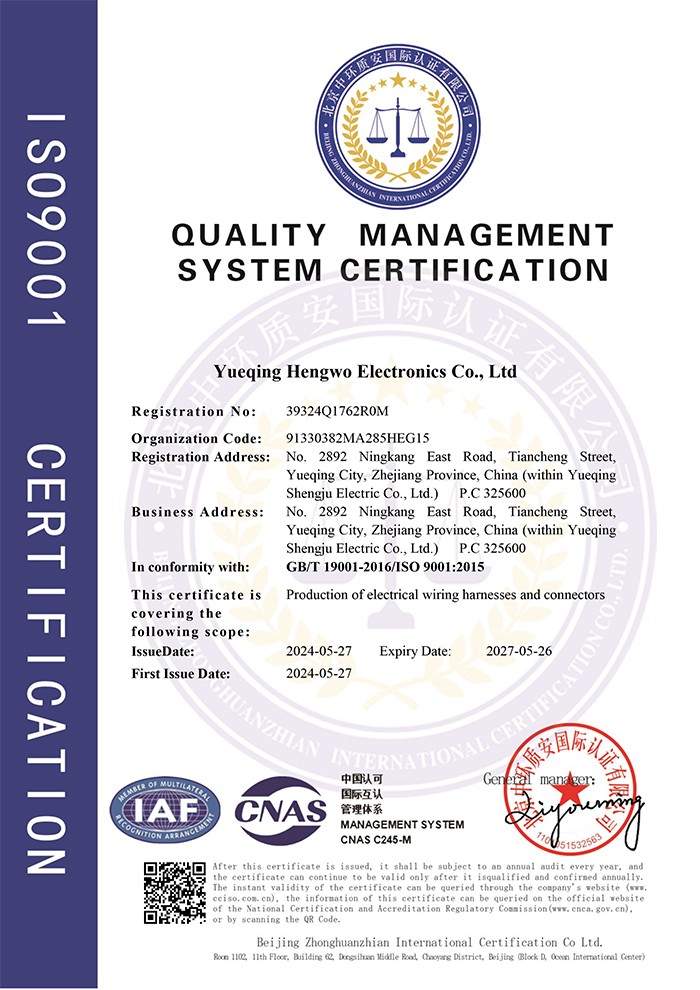
Zhejiang Hengwo Electronics Co., Ltd. is located at the southern foot of the national scenic area Beiyan Dang Mountain, east of the Yueqing Bay Deepwater Port, south of the Yongtaiwen Expressway, and 60 kilometers southwest of Wenzhou Airport. The geographical location is very convenient. It is a professional China Wire Harness Equipment manufacturer and wholesale Robot Wire Harness factory. The products are widely used in LED display screens, lighting, machine tool equipment, communication electrical, mechanical electronics, magnetic relays, transformer meters, new energy batteries, automotive wiring harnesses, home appliances and other industries.
The company has strong technical strength and has a professional team with middle and senior professional titles integrating "development, design, and manufacturing". It has independent product design and development technology and a complete management system. It can develop various types of connectors according to the special requirements of customers and can meet the different needs of customers in all aspects. The products are deeply recognized and trusted by customers, especially in the household appliance connector industry. It has a high reputation.
The company specializes in the production of various models of bar connector series, needle seat terminals, wiring harness series, relay hardware plastics and other products. All employees of Zhejiang Hengwo Electronics Co., Ltd. adhere to the purpose of "integrity, pragmatism, refinement and innovation", always take "pragmatic innovation, quality first, customer satisfaction" as the business philosophy, and become a leader in the industry with reliable product quality and excellent service, and make unremitting efforts to become famous throughout the country.
In modern manufacturing, producing consistent, durable, and precise metal parts is essential. Hardw...
READ MOREAn Energy Storage Harness is a specialized assembly used to connect and manage energy storage devic...
READ MOREA Lithium Battery Wiring Harness is an assembly of cables, connectors, and protective components de...
READ MOREAn Automotive Wiring Harness Factory plays a crucial role in the automotive industry by supplying wi...
READ MOREA Hardware Stamping Factory plays a crucial role in modern manufacturing by providing precise metal ...
READ MOREThe wiring harness industry is a critical part of modern manufacturing, connecting electrical and electronic components across various sectors. Below are some frequently asked questions about the key elements of this field, including robot harnesses, cable harnesses, battery wire connectors, and wire harness equipment.
A robot harness is a specialized wiring assembly designed to manage electrical connections in industrial robots. These harnesses are built to withstand continuous motion and vibrations while maintaining signal integrity.
A cable harness serves as a general-purpose wiring assembly connecting various electrical devices. While robot harnesses focus on dynamic environments, cable harnesses are used in stationary or semi-stationary applications.
Battery wire connectors are critical components in the transmission of electrical power from energy storage units. These connectors ensure secure and efficient contact between batteries and their respective systems.
Wire harness equipment includes machines and tools used to assemble, test, and inspect wiring assemblies efficiently. This equipment ensures consistent quality and reduces manual labor.
Types of Equipment:
Impact: Automated wire harness equipment improves production efficiency and consistency, particularly for complex assemblies like robot harnesses.
The wiring harness industry relies on specialized components and precise equipment to ensure electrical systems function safely and efficiently. Robot harnesses manage dynamic machinery, cable harnesses organize stationary wiring, battery wire connectors secure power flow, and wire harness equipment enables precise, efficient assembly. Together, these elements support the complex needs of modern manufacturing and evolving industrial demands.
 No. 2892, Ningkang East Road, Tiancheng Industrial Zone, Yueqing City, Wenzhou City, Zhejiang Province, China
 +86-577-62315298
 +86-577-62312718
 hiwotek@163.com
