 English
 русский
 Español
 中文简体
中文简体If you need any help, please feel free to contact us
In modern manufacturing, producing consistent, durable, and precise metal parts is essential. Hardw...
READ MORE
Free Quote

When it comes to Other Hardware Tools, users seek solutions that offer both reliability and versatility. These tools are designed to cater to a variety of applications, ranging from DIY projects to professional tasks. However, there are several pain points that users commonly face, including the complexity of selecting the right tool, concerns about tool durability, and the desire for reliable customer support. This article will explore how Other Hardware Tools address these challenges by focusing on applications, service, and advantages.
Applications: Versatility in Various Fields
One of the primary pain points users face is choosing the right tool for the job. Other hardware tools are designed to serve a broad spectrum of needs, from basic home repairs to more advanced industrial applications. In everyday home improvement tasks, users often require a range of tools, such as drills, screwdrivers, pliers, and wrenches, to complete various projects. These tools need to be versatile enough to handle multiple materials, from wood and metal to plastic and concrete.
For professional users, such as contractors or mechanics, the demand for durable, heavy-duty tools is even more pronounced. These tools need to withstand demanding environments, such as construction sites or automotive workshops. However, even in professional settings, the challenge remains to balance functionality with ease of use and portability.
Other hardware tools are designed to address this need for versatility. For example, multi-tools, adjustable wrenches, and interchangeable bit sets allow users to handle various tasks with fewer tools, saving both time and space. Whether it’s for DIY projects at home or professional tasks in an industrial setting, these tools cater to a wide range of applications.
Service: Enhancing User Experience
When it comes to tools, service is just as important as the product itself. Users not only want high-quality tools, but they also need comprehensive support throughout the product lifecycle. This includes clear product information, responsive customer service, and reliable warranties.
Product Guidance and Support: Selecting the right tool can be overwhelming, especially for beginners. Detailed product descriptions, user manuals, and online resources (such as video tutorials) help users make informed decisions. A tool that comes with step-by-step guides can reduce confusion and frustration, ensuring that users know exactly how to get the best performance from their purchase.
Customer Support: Problems may arise during tool use, and it’s essential that users have access to responsive and knowledgeable customer service. Whether users face difficulties with tool functionality or need spare parts, effective support ensures that their issues are resolved quickly, leading to a more positive experience.
Advantages: Addressing User Pain Points
Several key advantages make other hardware tools a top choice for users looking for reliable, efficient, and cost-effective solutions.
Durability and Build Quality
One of the biggest concerns for users is the durability of their tools. High-quality materials, such as hardened steel and corrosion-resistant coatings, ensure that other hardware tools can handle tough tasks and challenging environments. Whether exposed to moisture, heat, or rough handling, these tools are designed to last longer, reducing the need for frequent replacements.
Compact and Space-Saving
Many users prefer tools that are compact and portable. Other hardware tools often come in compact designs, making them easy to carry around or store in small spaces. For users with limited workspace or those who need to transport their tools frequently, the space-saving nature of these tools is a major advantage.
Affordability
While users want high-quality tools, they also need them to be cost-effective. Other hardware tools strike a balance between price and performance, offering affordable options without compromising on quality. Bundle kits or multi-tool sets also provide users with several tools for a lower overall price, which is ideal for those looking for value.
information to be updated
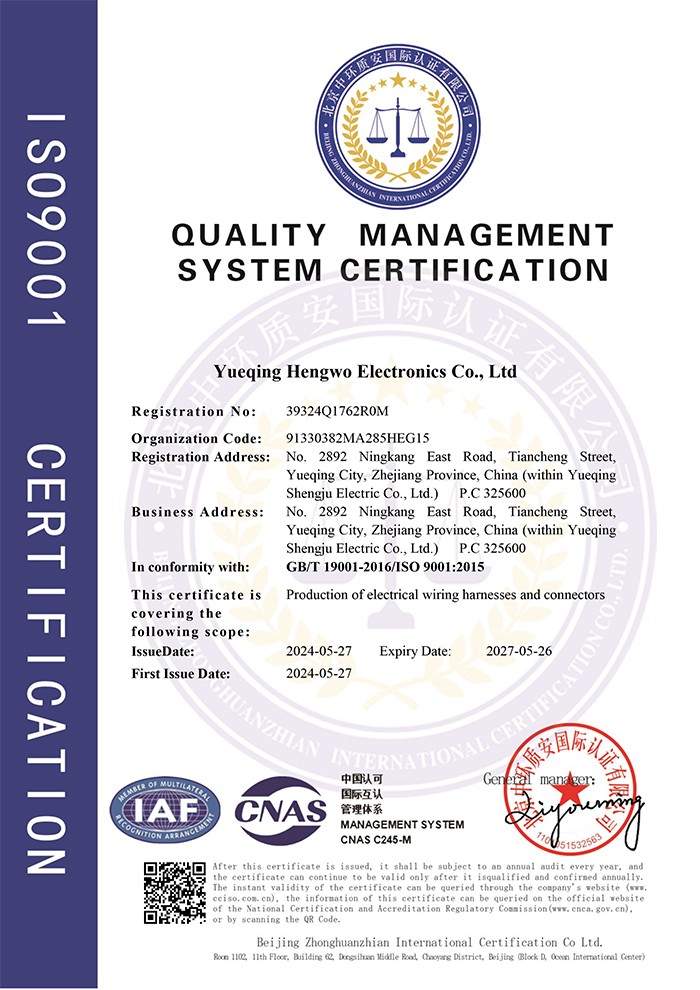
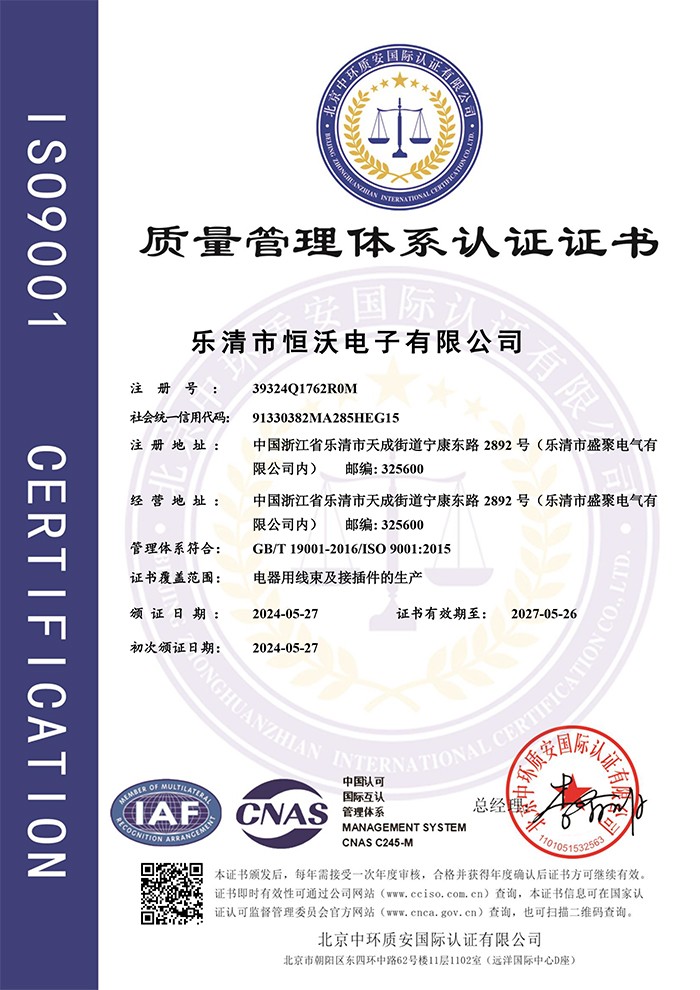
Zhejiang Hengwo Electronics Co., Ltd. is located at the southern foot of the national scenic area Beiyan Dang Mountain, east of the Yueqing Bay Deepwater Port, south of the Yongtaiwen Expressway, and 60 kilometers southwest of Wenzhou Airport. The geographical location is very convenient. It is a professional China Other Hardware Tools manufacturer and wholesale Other Hardware Tools factory. The products are widely used in LED display screens, lighting, machine tool equipment, communication electrical, mechanical electronics, magnetic relays, transformer meters, new energy batteries, automotive wiring harnesses, home appliances and other industries.
The company has strong technical strength and has a professional team with middle and senior professional titles integrating "development, design, and manufacturing". It has independent product design and development technology and a complete management system. It can develop various types of connectors according to the special requirements of customers and can meet the different needs of customers in all aspects. The products are deeply recognized and trusted by customers, especially in the household appliance connector industry. It has a high reputation.
The company specializes in the production of various models of bar connector series, needle seat terminals, wiring harness series, relay hardware plastics and other products. All employees of Zhejiang Hengwo Electronics Co., Ltd. adhere to the purpose of "integrity, pragmatism, refinement and innovation", always take "pragmatic innovation, quality first, customer satisfaction" as the business philosophy, and become a leader in the industry with reliable product quality and excellent service, and make unremitting efforts to become famous throughout the country.
In modern manufacturing, producing consistent, durable, and precise metal parts is essential. Hardw...
READ MOREAn Energy Storage Harness is a specialized assembly used to connect and manage energy storage devic...
READ MOREA Lithium Battery Wiring Harness is an assembly of cables, connectors, and protective components de...
READ MOREAn Automotive Wiring Harness Factory plays a crucial role in the automotive industry by supplying wi...
READ MOREA Hardware Stamping Factory plays a crucial role in modern manufacturing by providing precise metal ...
READ MOREOther Hardware Tools typically refer to a broad category of supporting instruments used across production lines. They help technicians complete assembly, fastening, calibration, and repair tasks with greater stability and consistency.
Factories rely on these tools because they shorten operation time and reduce errors in manual tasks. As manufacturing processes incorporate more automation and digital control, these instruments still play a crucial supporting role, especially during setup, adjustment, or maintenance periods.
Hardware Equipment forms the backbone of many assembly workflows. It includes fixtures, torque control devices, fastening tools, and measurement instruments used to ensure that parts fit together correctly.
In sectors such as automotive assembly, electronics manufacturing, and machinery fabrication, this equipment supports repeatable procedures. It also helps maintain stable production environments by offering reliable operational performance and long-term structural consistency.
As factories aim for cost-control and process stability, this equipment supports predictable task handling without requiring complex system changes.
Mechanical Tools remain essential because not all operations can be fully automated. Many tasks require hands-on adjustments, including cable routing, component alignment, prototype assembly, and onsite equipment repair.
These tools provide technicians with the control needed for fine-tuning or adjusting parts when automated systems cannot respond to unique conditions.
Even as robotics expand in manufacturing, manual tools continue to fill gaps that require flexibility or human judgement.
Application Overview
Below is a table summarizing common industrial scenarios where these items are used:
|
Industrial Task |
How the Tools Support the Process |
|
Assembly of Machinery |
Ensures steady fastening, part alignment, and precise adjustments. |
|
Electrical and Wiring Work |
Assists with cutting, crimping, stripping, and secure cable routing. |
|
Equipment Maintenance |
Allows technicians to perform repairs or preventive servicing. |
|
Quality Control |
Helps measure dimensions, torque, or surface conditions during inspection. |
Across these tasks, Other Hardware Tools, Hardware Equipment, and Mechanical Tools each serve specific operational needs, though their usage context may vary between industries.
Process & Technology Insights
Several considerations determine which tool is chosen for a particular task:
Matching tools to the task improves workflow stability and reduces rework caused by mismatched equipment.
Industrial suppliers are refining designs to improve operational ease. Some updates include:
These upgrades help factories maintain stable performance across extended production cycles.
Several trends are reshaping their development:
These adjustments allow the tooling sector to stay aligned with new manufacturing expectations.
As production environments continue to shift toward flexible, modular layouts, the demand for multi-purpose tools will grow.
Other Hardware Tools will support broader task categories across assembly and service operations.
Meanwhile, Hardware Equipment will continue reinforcing system stability by ensuring repeatable procedures.
Mechanical Tools will remain relevant because human-guided tasks still form a significant part of factory workflows.
Together, these tools will keep supporting industries that require stability, precision, and adaptable task handling.
 No. 2892, Ningkang East Road, Tiancheng Industrial Zone, Yueqing City, Wenzhou City, Zhejiang Province, China
 +86-577-62315298
 +86-577-62312718
 hiwotek@163.com
