

 English
 русский
 Español
 中文简体
中文简体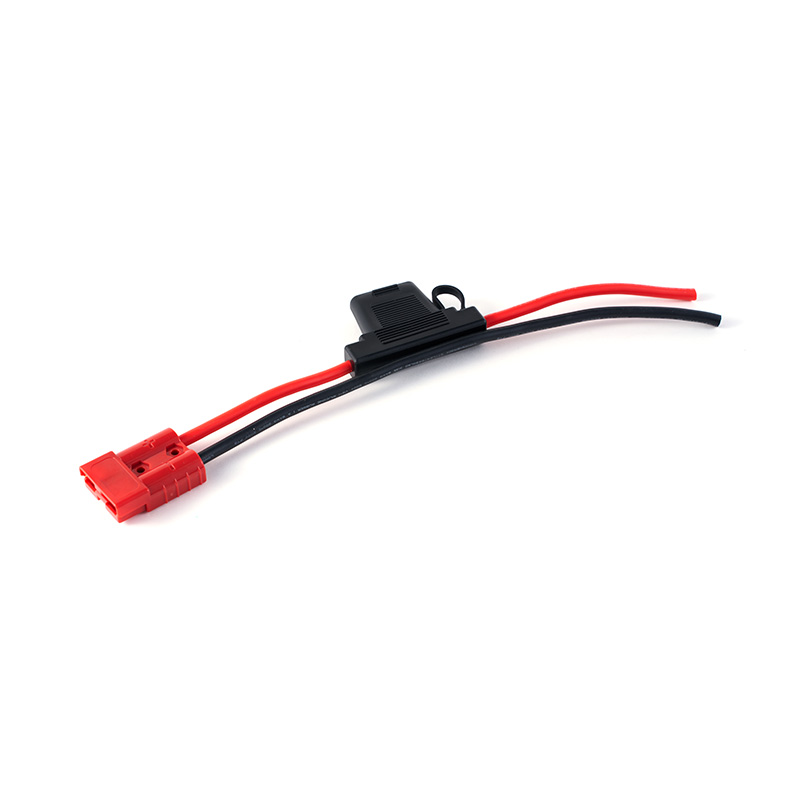
A Lithium Battery Wiring Harness is an assembly of cables, connectors, and protective components designed to distribute power safely and efficiently from a lithium battery to various electrical systems. Unlike traditional wiring setups, these harnesses are engineered to handle high energy densities and the specific characteristics of lithium-based cells, which require precise voltage control and stable current flow.
These harnesses are widely used in electric vehicles (EVs), renewable energy systems, portable electronics, and industrial equipment. Their design focuses on both safety and performance, ensuring that the energy stored in lithium batteries is delivered reliably without overheating or short-circuiting.
How a Lithium Battery Wiring Harness Works
The harness functions as the intermediary between the battery pack and the devices it powers. It connects multiple battery cells in series or parallel, manages voltage and current distribution, and often integrates sensors for monitoring temperature, voltage, or current. Proper insulation and protective features, such as fuses or circuit breakers, reduce the risk of electrical faults.
In electric vehicles, for example, the wiring harness distributes power to the motor, battery management system (BMS), and auxiliary systems. It must accommodate high currents while maintaining flexibility and resistance to vibration and environmental stress.
Applications Across Industries
Lithium Battery Wiring Harnesses are crucial in EVs, hybrid vehicles, and energy storage systems. In these applications, they ensure that lithium batteries deliver stable power to electric motors, control systems, and charging modules. In portable electronics, such as laptops and drones, harnesses manage power distribution while protecting sensitive components.
Industrial equipment and renewable energy storage systems also rely on robust wiring harnesses to connect battery arrays. Properly designed harnesses prevent overheating, electrical leakage, and performance degradation, which is particularly important in large-scale battery installations.
Advantages of Using a Lithium Battery Wiring Harness
A key advantage of a Lithium Battery Wiring Harness is safety. The harness reduces the risk of short circuits, thermal runaway, and other electrical hazards by providing organized routing, insulation, and protection. Built-in monitoring features allow early detection of abnormal conditions, enhancing operational safety.
Another benefit is efficiency. By ensuring proper current and voltage distribution, the wiring harness improves battery performance and extends the life of both the battery and connected devices. Flexibility in design allows customization to fit specific battery configurations and applications.
Selecting and Maintaining a Wiring Harness
Choosing the right Lithium Battery Wiring Harness requires consideration of current capacity, voltage rating, environmental resistance, and connector type. For EV applications, harnesses must withstand vibration, temperature fluctuations, and exposure to moisture or chemicals. In portable electronics, compact design and lightweight materials may be prioritized.
Maintenance includes regular inspection for wear, loose connections, or damaged insulation. Cleaning contacts and ensuring proper torque on connectors help maintain consistent performance over the lifespan of the battery system.
Reliable Power for Modern Systems
Lithium Battery Wiring Harnesses play a critical role in managing and distributing energy from lithium batteries. Their design ensures safety, efficiency, and reliability across a wide range of applications, from electric vehicles to industrial equipment and consumer electronics.
By understanding their operation, applications, and maintenance needs, users can ensure that lithium battery systems perform safely and consistently. Properly designed and maintained harnesses help unlock the full potential of lithium energy storage while protecting both the devices and the people using them.


