 English
 русский
 Español
 中文简体
中文简体If you need any help, please feel free to contact us
In modern manufacturing, producing consistent, durable, and precise metal parts is essential. Hardw...
READ MORE
Free Quote

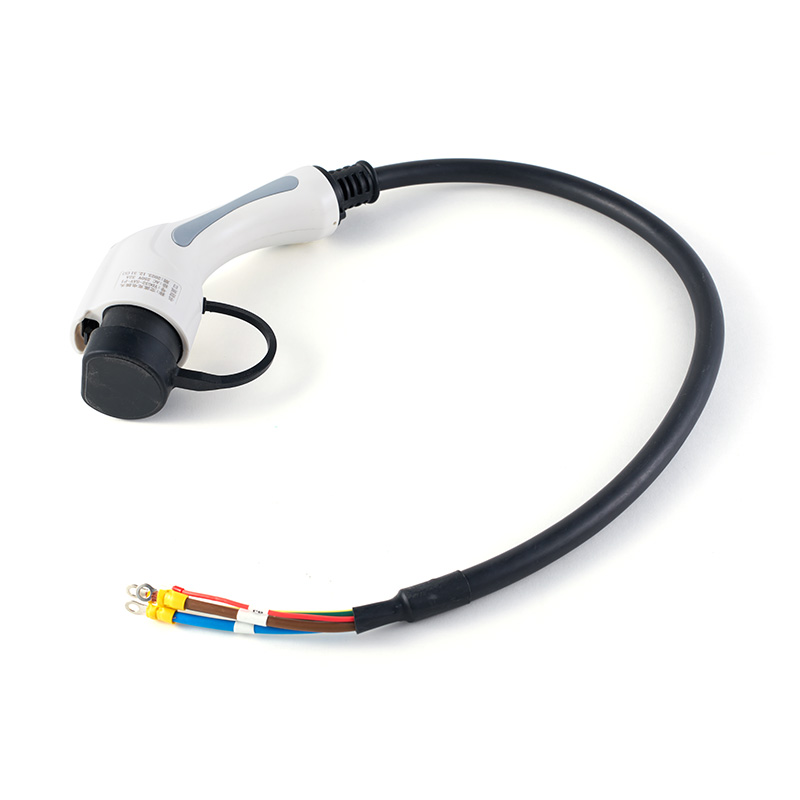
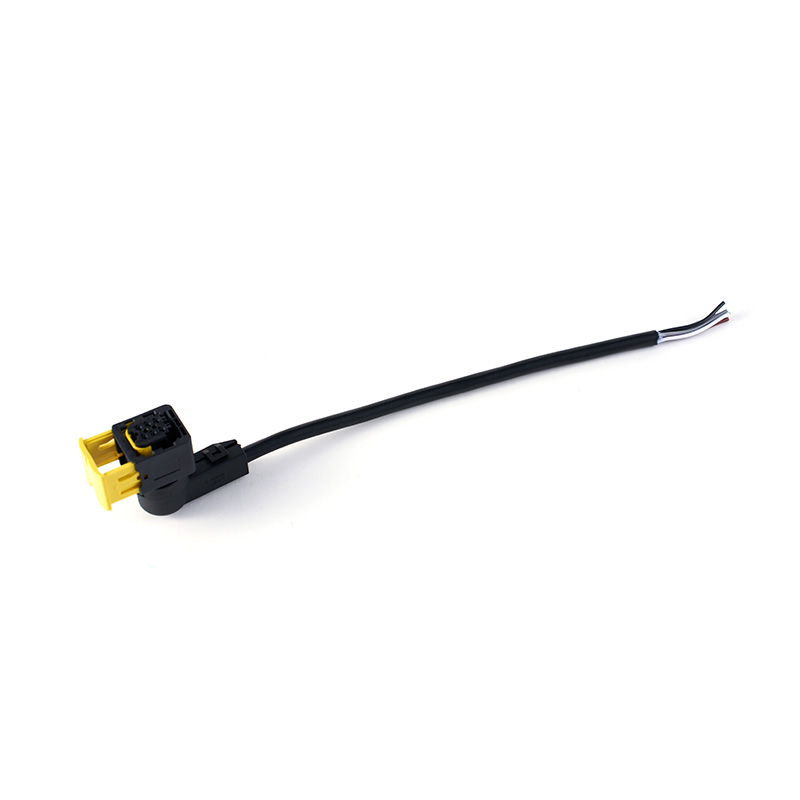
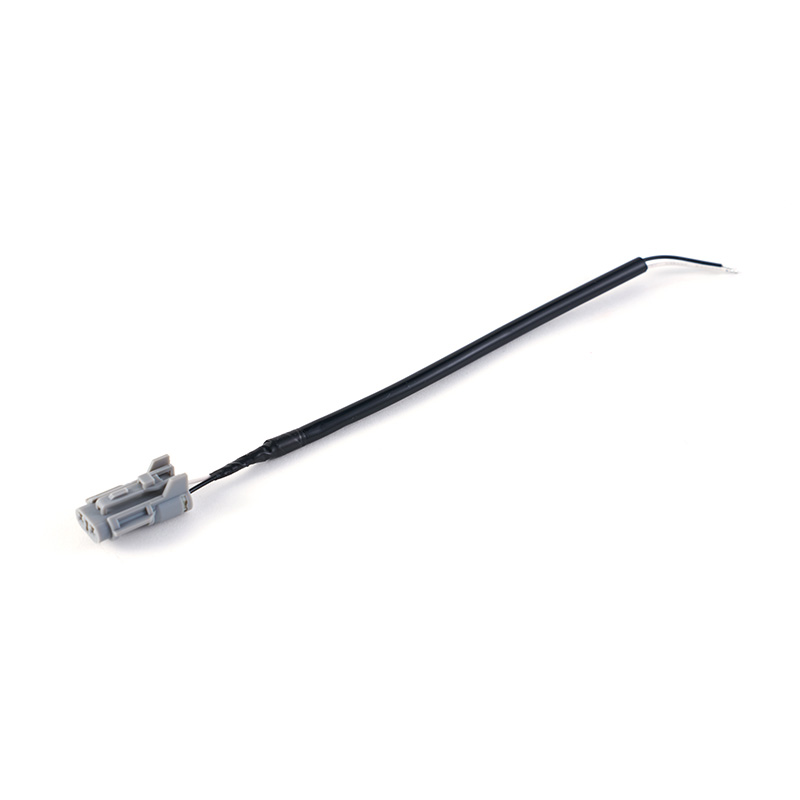
An automotive wiring harness is a vital component of modern vehicles, responsible for connecting electrical systems and enabling seamless communication between various components within the car. These harnesses bundle multiple wires, cables, and connectors into a single, organized unit, making it easier to install, maintain, and repair complex electrical circuits in vehicles. Automotive wiring harnesses play a crucial role in ensuring the safe, efficient, and reliable operation of everything from the engine and lighting systems to entertainment systems and safety features.
As vehicles become more advanced with the integration of technologies like autonomous driving, electric powertrains, and in-car infotainment systems, the complexity and importance of automotive wiring harnesses have grown significantly. These harnesses ensure that all electronic components work harmoniously, contributing to vehicle performance, safety, and driver convenience.
Application:
Automotive wiring harnesses are used in nearly every part of a vehicle, connecting a wide variety of electrical and electronic systems. Some of the key applications include:
Engine and Powertrain Systems: Automotive wiring harnesses are critical in connecting components like sensors, actuators, ignition systems, fuel injection systems, and control units within the engine. These harnesses ensure that power and data signals flow between the engine control unit (ECU), sensors, and other vital components, facilitating optimal engine performance, fuel efficiency, and emissions control.
Lighting and Electrical Systems: Wiring harnesses manage the connections for exterior lights (headlights, taillights, turn signals) and interior lighting (dashboard lights, cabin lighting). They also connect various electrical components such as power windows, door locks, mirrors, and seat adjustments. Harnesses are designed to ensure safe and reliable power distribution for these systems.
Safety Features:
Modern vehicles are equipped with advanced safety systems such as airbags, anti-lock braking systems (ABS), traction control, and electronic stability control. Automotive wiring harnesses are responsible for transmitting signals to and from sensors, control modules, and safety devices, ensuring that these systems operate effectively in emergency situations.
Infotainment and Comfort Systems:
The increasing demand for in-car entertainment and connectivity requires sophisticated wiring harnesses to support systems like GPS, touchscreens, audio systems, and Bluetooth connectivity. Wiring harnesses enable seamless communication between these devices and other vehicle systems, providing comfort, convenience, and entertainment for drivers and passengers.
Electric and Hybrid Vehicles:
In electric vehicles (EVs) and hybrid vehicles, the wiring harness is especially critical for connecting high-voltage battery packs, electric motors, power inverters, and charging systems. These harnesses must be able to handle high current loads and provide insulation to prevent electrical faults.
Advantages:
The use of high-quality automotive wiring harnesses offers numerous advantages, including improved vehicle performance, safety, and reliability. Some of the key benefits are:
Enhanced Safety:
Automotive wiring harnesses are designed to meet rigorous safety standards. They include features like high-quality insulation, connectors with secure locking mechanisms, and advanced shielding to prevent electrical shorts, fires, or malfunctions. In critical safety systems (such as airbags or ABS), these harnesses ensure timely and accurate signal transmission, improving vehicle safety and minimizing the risk of accidents.
Durability and Reliability:
Wiring harnesses in vehicles must withstand harsh environmental conditions, including extreme temperatures, moisture, vibrations, and exposure to chemicals. Automotive wiring harnesses are made from high-grade materials, such as heat-resistant PVC, silicone, and Teflon, which ensure longevity and reliable performance even in demanding conditions.
Improved Efficiency:
A well-designed wiring harness helps reduce the complexity and weight of a vehicle's electrical system. By bundling multiple wires into a single, organized unit, wiring harnesses minimize the risk of loose connections, corrosion, or wear and tear. This not only improves the overall efficiency of the vehicle's electrical systems but also makes maintenance and repairs quicker and easier.
Space and Weight Optimization:
The compact and streamlined design of automotive wiring harnesses helps optimize the available space within a vehicle. By combining numerous cables into a single, neatly organized bundle, wiring harnesses reduce clutter and save space, which is especially important in modern vehicles with limited space for electrical components. The reduced weight of these harnesses also contributes to overall vehicle efficiency and performance.
Customization and Flexibility:
Automotive wiring harnesses are highly customizable to suit different vehicle models and configurations. Manufacturers can design harnesses to meet specific electrical requirements, such as the number of circuits, connector types, or voltage specifications. This flexibility ensures that wiring harnesses can accommodate the unique needs of a wide range of vehicles, from basic models to high-tech electric and autonomous vehicles.
Cost-Effective Manufacturing:
The use of pre-assembled wiring harnesses in vehicle production helps reduce assembly time and costs. By integrating all necessary connections and components into one unit, manufacturers can simplify the installation process and reduce the likelihood of errors. This not only streamlines the production line but also results in cost savings for both manufacturers and consumers.
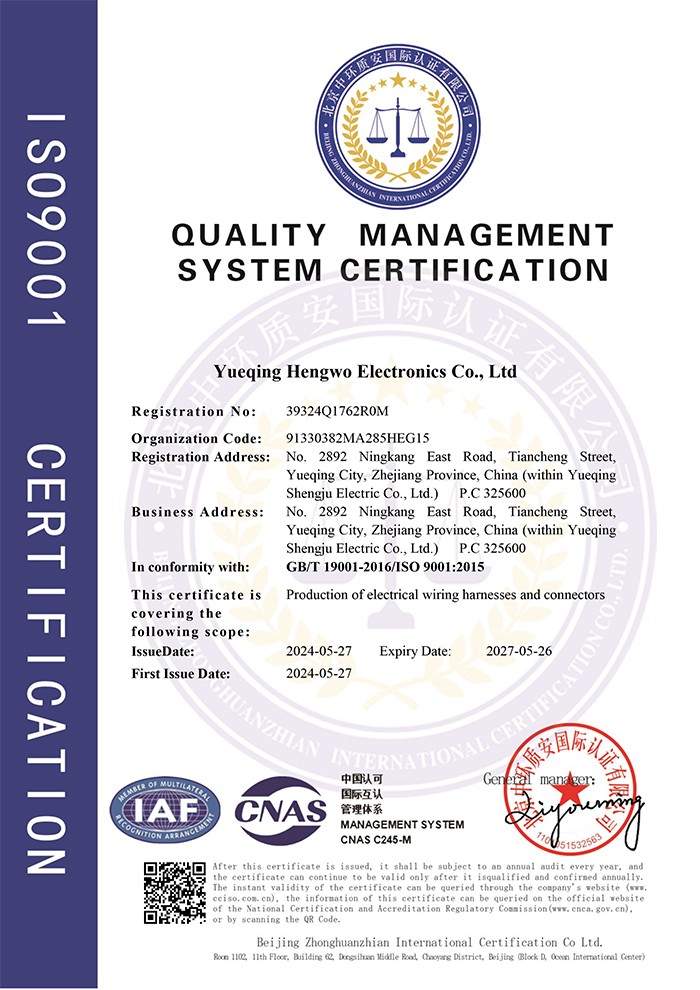
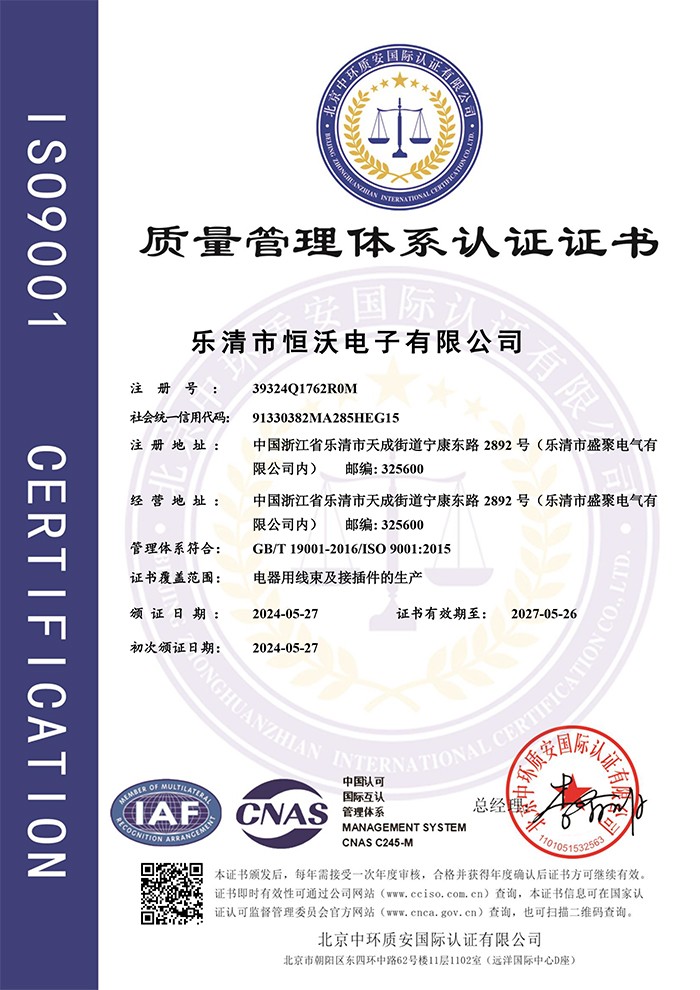
Zhejiang Hengwo Electronics Co., Ltd. is located at the southern foot of the national scenic area Beiyan Dang Mountain, east of the Yueqing Bay Deepwater Port, south of the Yongtaiwen Expressway, and 60 kilometers southwest of Wenzhou Airport. The geographical location is very convenient. It is a professional China Automotive Wiring Harness manufacturer and wholesale Automotive Wiring Harness factory. The products are widely used in LED display screens, lighting, machine tool equipment, communication electrical, mechanical electronics, magnetic relays, transformer meters, new energy batteries, automotive wiring harnesses, home appliances and other industries.
The company has strong technical strength and has a professional team with middle and senior professional titles integrating "development, design, and manufacturing". It has independent product design and development technology and a complete management system. It can develop various types of connectors according to the special requirements of customers and can meet the different needs of customers in all aspects. The products are deeply recognized and trusted by customers, especially in the household appliance connector industry. It has a high reputation.
The company specializes in the production of various models of bar connector series, needle seat terminals, wiring harness series, relay hardware plastics and other products. All employees of Zhejiang Hengwo Electronics Co., Ltd. adhere to the purpose of "integrity, pragmatism, refinement and innovation", always take "pragmatic innovation, quality first, customer satisfaction" as the business philosophy, and become a leader in the industry with reliable product quality and excellent service, and make unremitting efforts to become famous throughout the country.
In modern manufacturing, producing consistent, durable, and precise metal parts is essential. Hardw...
READ MOREAn Energy Storage Harness is a specialized assembly used to connect and manage energy storage devic...
READ MOREA Lithium Battery Wiring Harness is an assembly of cables, connectors, and protective components de...
READ MOREAn Automotive Wiring Harness Factory plays a crucial role in the automotive industry by supplying wi...
READ MOREA Hardware Stamping Factory plays a crucial role in modern manufacturing by providing precise metal ...
READ MOREWiring harnesses are essential components in vehicles, connecting electrical and electronic systems safely and efficiently. Automotive wiring harnesses organize multiple wires into structured assemblies, ensuring reliable power and signal distribution. We explore key questions about these harnesses, their design, applications, and integration in modern automotive manufacturing.
An automotive wiring harness is a pre-assembled set of wires designed to connect various electrical components in a vehicle. These components include lighting systems, sensors, infotainment units, and powertrains.
The auto wiring harness is another expression for the same product, emphasizing its role in automotive applications.
An automotive electrical harness refers to the structured wiring that manages both power and signal distribution within vehicles.
Automotive wiring harnesses, also referred to as auto wiring harnesses or automotive electrical harnesses, are essential for safe and efficient vehicle operation. They organize complex electrical systems, protect wires from environmental stress, and ensure consistent performance across a wide range of automotive applications. Proper design, careful assembly, and rigorous testing are critical to meeting the demanding requirements of modern vehicles, from traditional combustion engines to advanced electric and hybrid platforms.
 No. 2892, Ningkang East Road, Tiancheng Industrial Zone, Yueqing City, Wenzhou City, Zhejiang Province, China
 +86-577-62315298
 +86-577-62312718
 hiwotek@163.com
