

 English
 русский
 Español
 中文简体
中文简体Inside a household appliance, wiring is easy to overlook because it stays hidden. But once the layout becomes crowded, every connection starts to matter. A neat internal wiring structure can help the product come together more smoothly during assembly, and it can also make daily use feel more stable.
For manufacturers, Household Appliances (Equipment) Wiring Harness is not just a bundle of wires. It is part of how the whole unit is put together. When the route is clear and the connections are arranged in a sensible way, the product is easier to build, easier to check, and easier to support later.
What a wiring harness does inside household appliances
A wiring harness brings different electrical paths into one organized route. Instead of leaving wires scattered inside the unit, it keeps them grouped and placed where they should go.
In practical terms, it helps with things like:
- keeping the inside of the appliance cleaner
- making installation more straightforward
- reducing confusion during assembly
- helping each part stay in its intended position
In Household Appliances (Equipment) Wiring Harness, the value is not only about connection. It is also about order. That is what makes it useful in products that have limited space and several parts working together.
Why wiring harness is used instead of direct wiring
Direct wiring can work in simple setups, but it often brings more variation into the build process. One wire may be placed a little differently from another, and that can make the inside of the product harder to manage.
| Direct wiring | Wiring harness |
|---|---|
| Wires are placed one by one | Wires are arranged as one set |
| Assembly can vary from unit to unit | Installation stays more consistent |
| Troubleshooting can take more time | Problem areas are easier to trace |
| Internal layout may look scattered | Internal layout stays more orderly |
That is why Household Appliances (Equipment) Wiring Harness is often chosen when the product needs a cleaner structure and a more steady production flow.
How wiring harness design affects safety and reliability
A wiring layout is not only about where the wires go. It also affects how the appliance handles heat, movement, and regular use. If the route is too tight or poorly placed, wires can wear out sooner or shift in ways that create trouble later.
A careful layout can help by:
- keeping power and control paths separated where needed
- reducing strain on connection points
- avoiding sharp bends and crowded areas
- holding wires in place during use
In that sense, Household Appliances (Equipment) Wiring Harness supports a more stable product inside the shell of the appliance. It helps the unit stay calm under everyday use instead of being pushed around by poor internal placement.
How wire selection and material choices influence performance
Different parts of an appliance do not ask for the same type of wire. Some areas carry more load. Some stay near warm parts. Some need more flexibility because the appliance moves or vibrates.
| Design point | What it affects |
|---|---|
| Wire size | How the load is handled |
| Insulation choice | How the wire holds up in heat or moisture |
| Flexibility | How well it handles movement |
| Routing path | How much space it uses inside the unit |
A Household Appliances (Equipment) Wiring Harness works well when these details are matched to the product structure. The goal is not to make the wiring complicated. The goal is to make it fit the appliance in a way that feels steady and practical.
How electromagnetic interference is reduced in household appliance wiring harness
In a household appliance, electrical noise can travel through the wiring if the layout is not handled with care. That can affect how signals move between parts and may create unstable behavior in the unit.
A few common ways to reduce that risk are:
- keeping signal lines away from power lines where possible
- grouping related wires in a planned route
- using a wrapped or shielded path for sensitive connections
- avoiding long parallel runs when they are not needed
For Household Appliances (Equipment) Wiring Harness, this part of the design matters because the wiring is often close to motors, control parts, and other active components. A cleaner route can help the appliance stay calmer during operation and make the electrical system easier to manage.
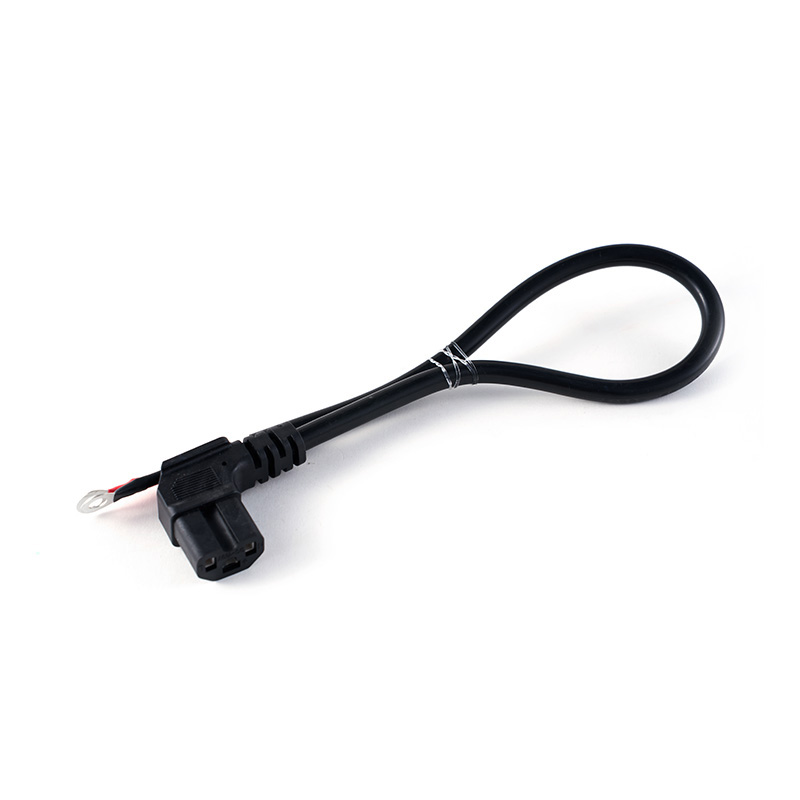
Why connector design and terminal structure matter for stable electrical connections
Connectors may look small, but they play a large role in how the appliance behaves over time. If the connection is not secure, the unit can face contact issues, loose fits, or unstable operation.
What engineers usually pay attention to:
- whether the connector locks in place properly
- how the terminal holds the wire
- whether the contact remains steady after repeated use
- whether the part is easy to assemble without forcing it
In Household Appliances (Equipment) Wiring Harness, connector design helps turn a group of wires into a working system. It also makes the wiring easier to install and service, which is useful when the product has several internal sections that need to fit together in a limited space.
How wiring harness routing strategies impact space utilization in compact household appliances
When an appliance is compact, every bit of internal space matters. Wiring cannot be placed casually, because it has to work around boards, moving parts, insulation, and housing structure.
Routing choices usually aim to:
- keep the path short and orderly
- avoid crowding around heat areas
- leave room for moving components
- prevent wires from being squeezed by panels or covers
A Household Appliances (Equipment) Wiring Harness is often shaped around the product body rather than the other way around. That is why routing is not just a layout issue. It is part of how the whole appliance fits together without waste or unnecessary pressure on the internal parts.
How quality testing methods are applied in wiring harness manufacturing processes
Before a wiring harness is installed into a finished appliance, it goes through a series of checks to make sure the connections behave as intended. The main purpose is to identify possible issues early, especially anything related to misalignment, weak contact, or incomplete assembly, so the final product does not carry avoidable risks into later use.
In practice, testing usually involves confirming that each connection leads to the correct position and that the internal routing follows the intended design. At the same time, attention is given to whether the terminals are properly secured and whether the insulation remains intact along the full length of the harness. Small issues in these areas can affect how stable the electrical path is once the appliance is in operation.
For Household Appliances (Equipment) Wiring Harness, this stage is closely tied to manufacturing consistency. It helps ensure that what is built on the production line matches the design plan, so the wiring behaves in a predictable way once it is installed inside the equipment.


