

 English
 русский
 Español
 中文简体
中文简体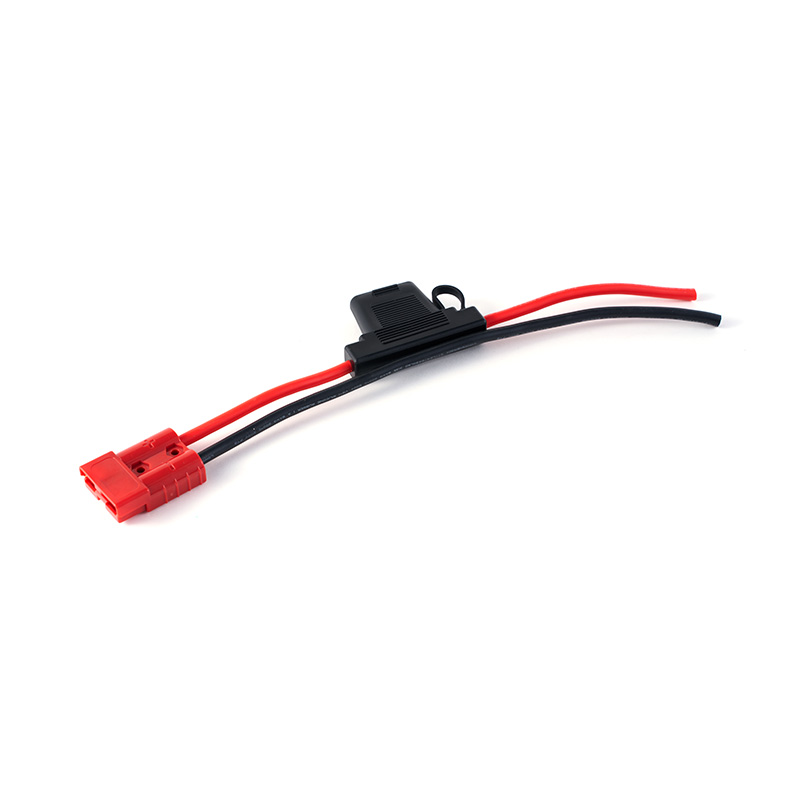
Lithium battery technology is widely used in electric vehicles, energy storage systems, and portable electronics. A critical but often overlooked component is the Lithium Battery Wiring Harness, which ensures reliable electrical connections between cells and the battery management system (BMS). For manufacturers, selecting and implementing a robust wiring harness is essential to maintain operational safety and system efficiency.
Key Features of a Lithium Battery Wiring Harness
A well-designed Lithium Battery Wiring Harness provides several advantages:
- Secure Electrical Connections: Proper wiring prevents short circuits, voltage drops, and overheating.
- Flexibility in Design: Custom harnesses can fit various battery sizes and configurations, meeting specific project requirements.
- Durable Materials: High-quality insulation and heat-resistant wires protect against environmental stress, vibration, and mechanical wear.
- Simplified Assembly: Pre-assembled connectors and terminals reduce production time and minimize installation errors.
- Integration with BMS: Wiring harnesses facilitate communication between the battery cells and the management system, enabling accurate monitoring of voltage, temperature, and current.
By combining these features, manufacturers can ensure consistent performance and longer battery life.
Applications Across Industries
The Lithium Battery Wiring Harness finds use in multiple sectors:
- Electric Vehicles (EVs): Connects battery modules and monitors cell health, contributing to vehicle safety and reliability.
- Energy Storage Systems: Facilitates communication between battery packs in solar storage, UPS systems, and microgrids.
- Portable Electronics: Ensures compact and safe connections in laptops, power tools, and e-bikes.
- Industrial Equipment: Supports large-scale machinery powered by lithium batteries.
Custom harness designs allow manufacturers to adapt to different voltage requirements and environmental conditions, making them versatile across applications.
Design Considerations for Manufacturers
Manufacturers planning to produce or source a Lithium Battery Wiring Harness should consider the following:
- Wire Gauge and Capacity: Ensure the harness supports the current and voltage requirements of the battery pack.
- Connector Type: Select connectors compatible with the BMS and battery modules.
- Insulation and Material Quality: High-temperature and chemical-resistant insulation improve longevity.
- Routing and Flexibility: Design harnesses that accommodate bending and movement within battery enclosures.
- Quality Testing: Conduct electrical, mechanical, and environmental tests to confirm reliability under real-world conditions.
These considerations reduce the risk of electrical failures and improve overall system performance.
Advantages for B2B Buyers
Investing in a reliable Lithium Battery Wiring Harness provides practical benefits for industrial buyers:
- Enhanced Safety: Reduces fire hazards and electrical malfunctions.
- Operational Efficiency: Maintains stable voltage and current across battery cells.
- Ease of Installation: Pre-assembled harnesses reduce assembly time and errors.
- Scalability: Supports expansion in battery packs or integration into larger energy systems.
- Longevity: High-quality components extend the operational life of the battery pack.
These advantages make wiring harnesses a critical component in the supply chain for energy-focused industries.
<h3Maintenance and Longevity
Even high-quality harnesses require proper care:
- Regular Inspections: Check connectors and wires for signs of wear or corrosion.
- Avoid Excessive Bending: Prevent mechanical stress that could damage wires.
- Clean Environment: Protect harnesses from dust, moisture, and chemical exposure.
- Documentation: Maintain clear wiring diagrams for troubleshooting and future upgrades.
Following these maintenance steps ensures consistent performance and reduces unexpected downtime.
The Lithium Battery Wiring Harness is an essential element for ensuring safety, reliability, and efficiency in modern battery systems. For manufacturers and industrial buyers, selecting a harness that meets design specifications, material quality, and BMS integration requirements can significantly improve battery performance. By focusing on durability, electrical stability, and ease of assembly, companies can deliver safer and more efficient energy solutions across electric vehicles, energy storage, and industrial applications.


