
 English
 русский
 Español
 中文简体
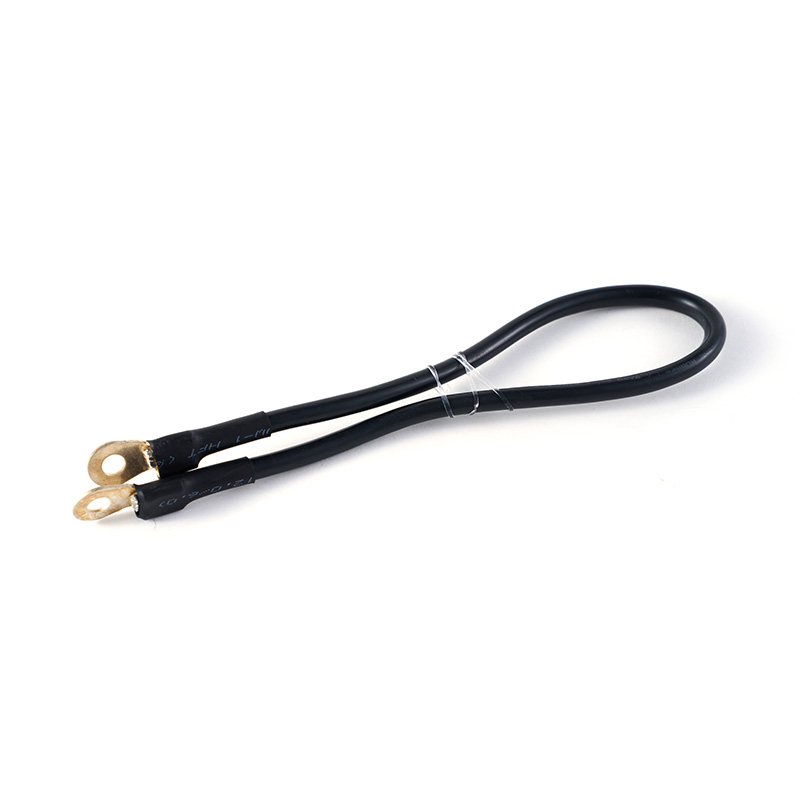
中文简体High-power battery systems can't rely on thin, flimsy cables. Forklifts. Electric buses. Marine vessels. Solar storage. Without proper cables, heat builds up, voltage drops, and systems fail. A high-current battery cable assembly handles the serious amps. Thick copper, flexible stranding, heavy-duty terminals. It's built to carry current without overheating and to last in tough conditions.
What Makes a Battery Cable High-Current
Wire gauge is the main thing
Current rating comes down to wire size. A high-current battery cable assembly uses large-gauge wire—from 2 AWG up to 4/0 or even larger. The thicker the wire, the more current it handles. And it handles it without getting hot.
Flexible stranding matters
Solid wire doesn't work for batteries. A high-current battery cable assembly uses flexible stranding. Lots of small copper strands bundled together. Cables bend around corners and through tight spaces. They don't fight you during installation.
Insulation rated for high temp
Battery cables get warm. A high-current battery cable assembly uses insulation rated for at least 105°C. Sometimes 125°C or higher. PVC, XLPE, or silicone. Whatever it takes to handle the environment.
Terminals are crimped, not soldered
Soldered connections melt under high current. A high-current battery cable assembly uses compression crimping. Copper lugs or ring terminals crushed onto the cable ends with a hydraulic crimper. Gas-tight connection. No melting. No loosening over time.
Where These Cables Are Used
Forklifts and material handling equipment
Electric forklifts draw hundreds of amps. A high-current battery cable assembly connects the battery to the motor controller. Cable flexes every time the forklift turns. Terminals take vibration daily. Strong and durable.
Electric buses and commercial EVs
Big batteries, big motors, big current. A high-current battery cable assembly runs from the battery pack to the drive system. Lots of amps, lots of heat. Cables are routed carefully and secured properly.
Marine and boat electrical systems
Boats have batteries for engines, thrusters, winches. A high-current battery cable assembly handles both starting and house loads. Saltwater environment means terminals need protection and insulation holds up.
Solar battery storage
Residential and commercial battery banks need DC connections. A high-current battery cable assembly connects battery modules, inverters, and charge controllers. Outdoor exposure, high current, long service life.
Why Quality Matters
Heat kills batteries
Bad connections create resistance. Resistance creates heat. A high-current battery cable assembly with poor terminals or undersized wire causes hot spots. Heat damages battery terminals and reduces battery life.
Voltage drop costs performance
Every foot of cable loses some voltage. A high-current battery cable assembly uses the right gauge to keep losses low. Voltage drop under 3% is the rule. More than that and equipment doesn't perform at full power.
Flexibility affects installation
Stiff cables are hard to route. A high-current battery cable assembly uses fine stranding to stay flexible. Installers can bend it around obstacles. Service techs can disconnect and reconnect without fighting.
What Goes into a High-Current Battery Cable
Copper conductor
Oxygen-free copper. High conductivity. A high-current battery cable assembly uses pure copper, not copper-clad aluminum. Copper handles more current. Lasts longer.
Insulation
Color-coded. Red for positive. Black for negative. Sometimes gray or orange for specific applications. A high-current battery cable assembly uses insulation that resists oil, acid, and abrasion.
Terminals
Lugs or ring terminals. Tin-plated or bare copper. A high-current battery cable assembly uses terminals that match the battery or connection point. Right size. Right material.
Labels
Each cable marked. Voltage, gauge, polarity. A high-current battery cable assembly labels every cable. Assembly goes faster. Service techs know what they're looking at.
Typical specs for high-current battery cable assemblies:
- Gauge: 2 AWG to 4/0 and larger
- Stranding: flexible, fine copper strands
- Insulation: PVC, XLPE, silicone
- Temp rating: 105°C small
- Terminals: compression lugs, ring, quick-connect
- Voltage: up to 600V or 1000V DC
- Materials: pure copper, tin-plated terminals
- Testing: continuity, insulation resistance
What to Check When Buying
Wire gauge
Check it. Don't guess. A high-current battery cable assembly should be labeled with gauge size. Match it to the current draw. Undersized cables cause problems.
Terminal size
Terminal hole must fit the stud. A high-current battery cable assembly uses terminals with the right hole diameter and width. Too big and it's loose. Too small and you can't tighten it down.
Crimp quality
Look at the crimp. It should be compressed evenly, no gaps. A high-current battery cable assembly from a good supplier has clean, consistent crimps. Some reputable suppliers also provide pull-test documentation to confirm terminal retention strength.
Insulation flexibility
Bend the cable. It should move easily. A high-current battery cable assembly with stiff insulation is harder to route and more likely to stress connections.
Labels and markings
Are they clear? Do they match the cable specs? A high-current battery cable assembly with good labeling saves time now and later.
A high-current battery cable assembly isn't the most expensive part of a battery system, but it's one of the most important. Undersize it, use bad terminals, skip the heat shrink—and you'll have problems. Good cables, done right. That's what keeps everything else running.